Why CaHA Dilution Ratios Need Tissue-Plane Context
A 2026 methods article proposes a layered full-face CaHA-CMC protocol linking concentration, tissue plane, structural projection, and skin-quality goals.
View DetailsThe latest company updates, technical articles, and industry content.
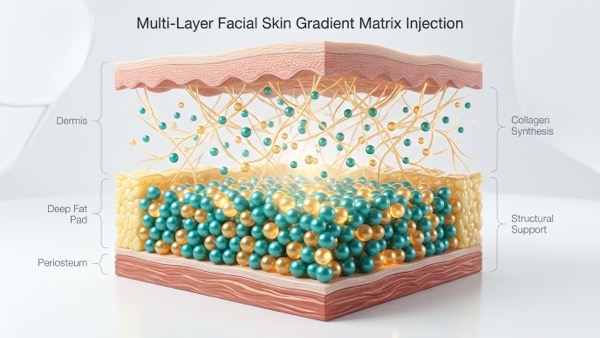
A 2026 methods article proposes a layered full-face CaHA-CMC protocol linking concentration, tissue plane, structural projection, and skin-quality goals.
View Details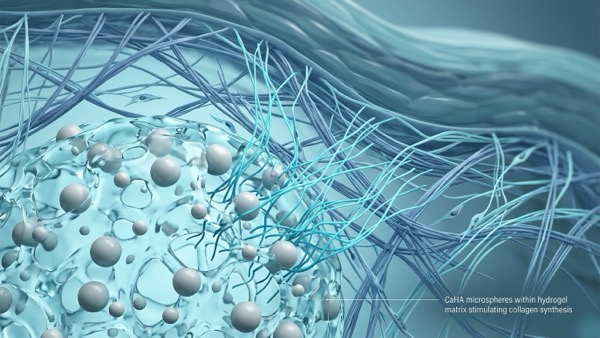
A 152-participant randomized study evaluated CaHA-CMC diluted 1:2 for décolleté wrinkles, reporting a 71.2% responder rate at Week 24 and reviewing breast imaging.
View Details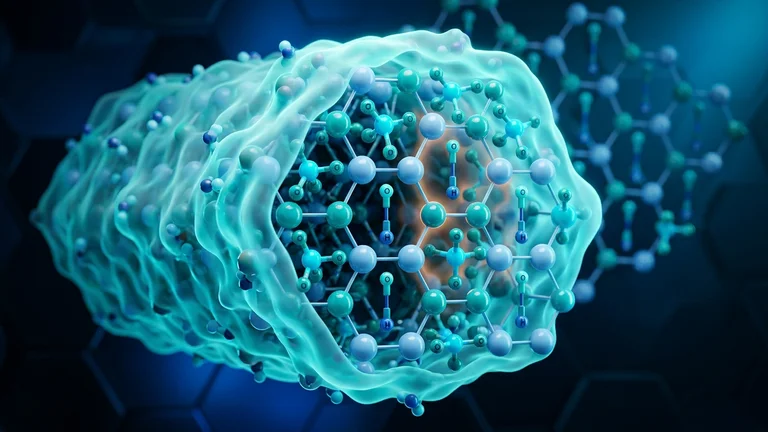
Ca/P below 1.67 may reflect calcium deficiency, second phases, ion substitution, or EDS variability. Identifying CDHA needs bulk chemistry, phase analysis, and spectroscopy.
View Details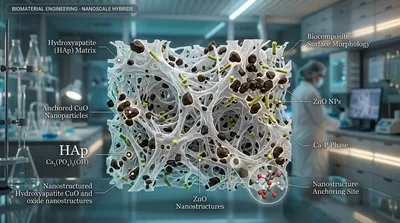
A 2026 in vitro study compares HAp/CuO and HAp/ZnO for inhibition zones, Vickers microhardness, and L929 cell viability.
View Details
A Ca/P ratio near 1.67 is a useful compositional clue, but confirming hydroxyapatite also requires bulk chemistry, XRD, FTIR, and crystallinity data.
View Details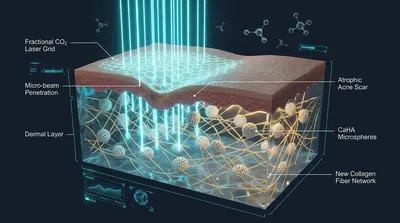
A 2026 single-center randomized study compared fractional CO₂ laser alone with the same laser followed by a defined CaHA suspension prepared with non-crosslinked HA; its findings apply to that combination only.
View Details