Hydroxyapatite Catalyst Supports: RhFe Dual Sites and Interface Cooperation
A JACS study links RhFe dual sites, hydrogen spillover, and Fe–HAp interface reconstruction, offering a basis for evaluating hydroxyapatite catalyst supports.
View DetailsThe latest company updates, technical articles, and industry content.
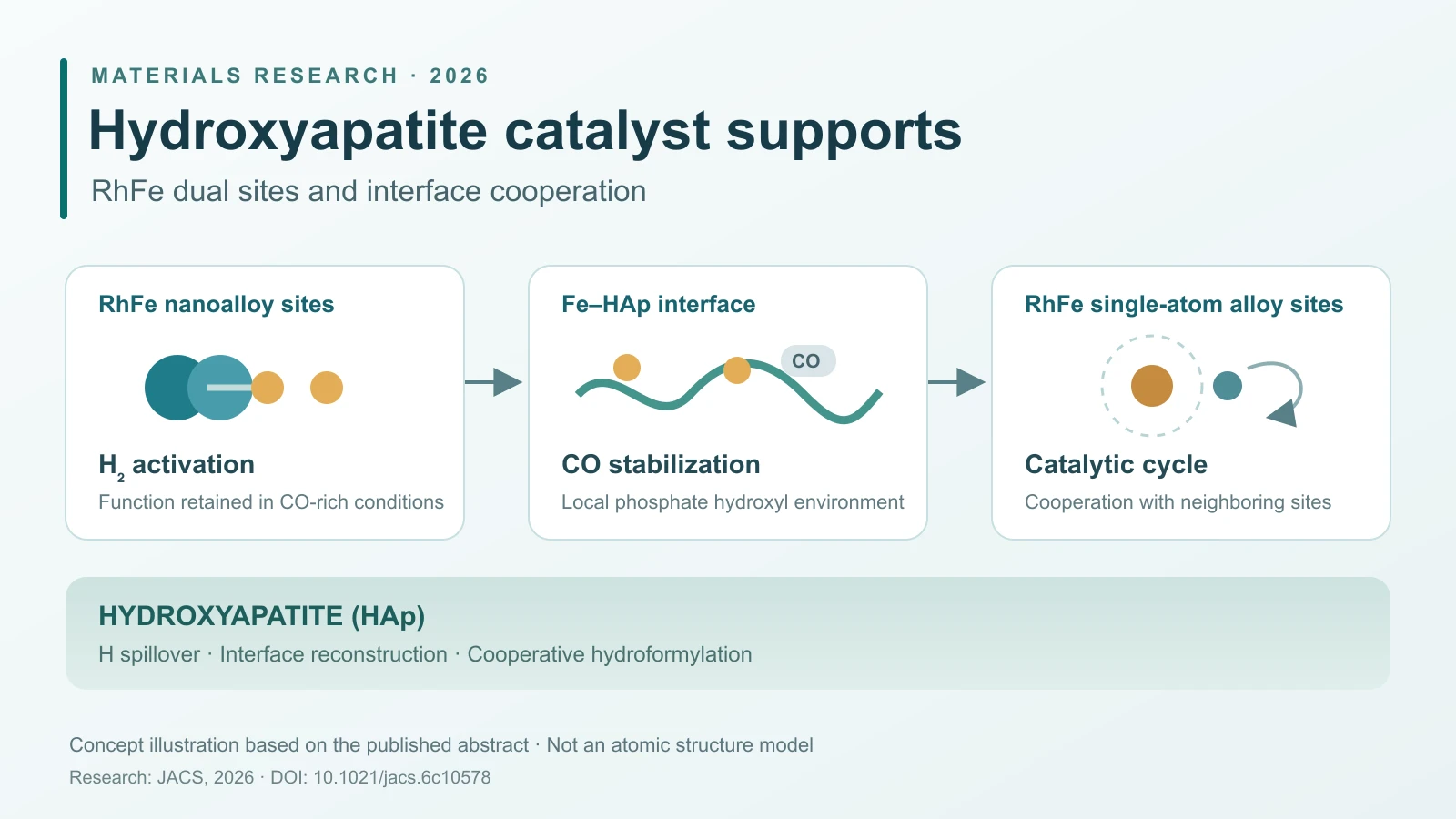
A JACS study links RhFe dual sites, hydrogen spillover, and Fe–HAp interface reconstruction, offering a basis for evaluating hydroxyapatite catalyst supports.
Estimated CaHA procedures fell by 25.7% in the ISAPS 2025 survey. We examine its methods, category and regional data, and implications for upstream microsphere demand.
CGBio plans training for around 110 medical professionals from 15 countries in Bali. Following its Colombia event, this case links local education and technical support with upstream CaHA supply.
A JACS study links RhFe dual sites, hydrogen spillover, and Fe–HAp interface reconstruction, offering a basis for evaluating hydroxyapatite catalyst supports.
View Details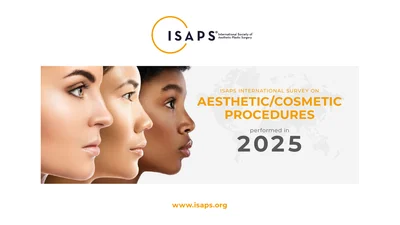
Estimated CaHA procedures fell by 25.7% in the ISAPS 2025 survey. We examine its methods, category and regional data, and implications for upstream microsphere demand.
View Details
CGBio plans training for around 110 medical professionals from 15 countries in Bali. Following its Colombia event, this case links local education and technical support with upstream CaHA supply.
View Details
MOYOM's latest funding offers a case study in how international CaHA commercialization raises expectations for material specifications, lot consistency, and change control.
View Details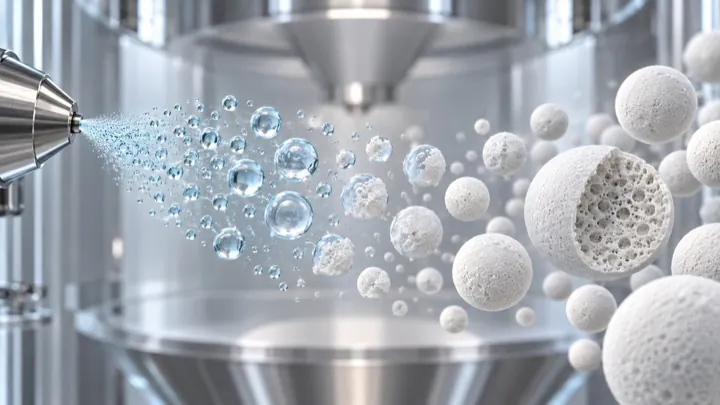
A 2026 study links HAp–PVA slurry rheology to atomization, drying, and microsphere structure, while showing why one viscosity value or a 40 μm mean is not a transferable process specification.
View Details
A purchasing guide to 25–45 μm CaHA microspheres, covering particle-size methods, solid or porous structures, lot acceptance, and change control.
View Details