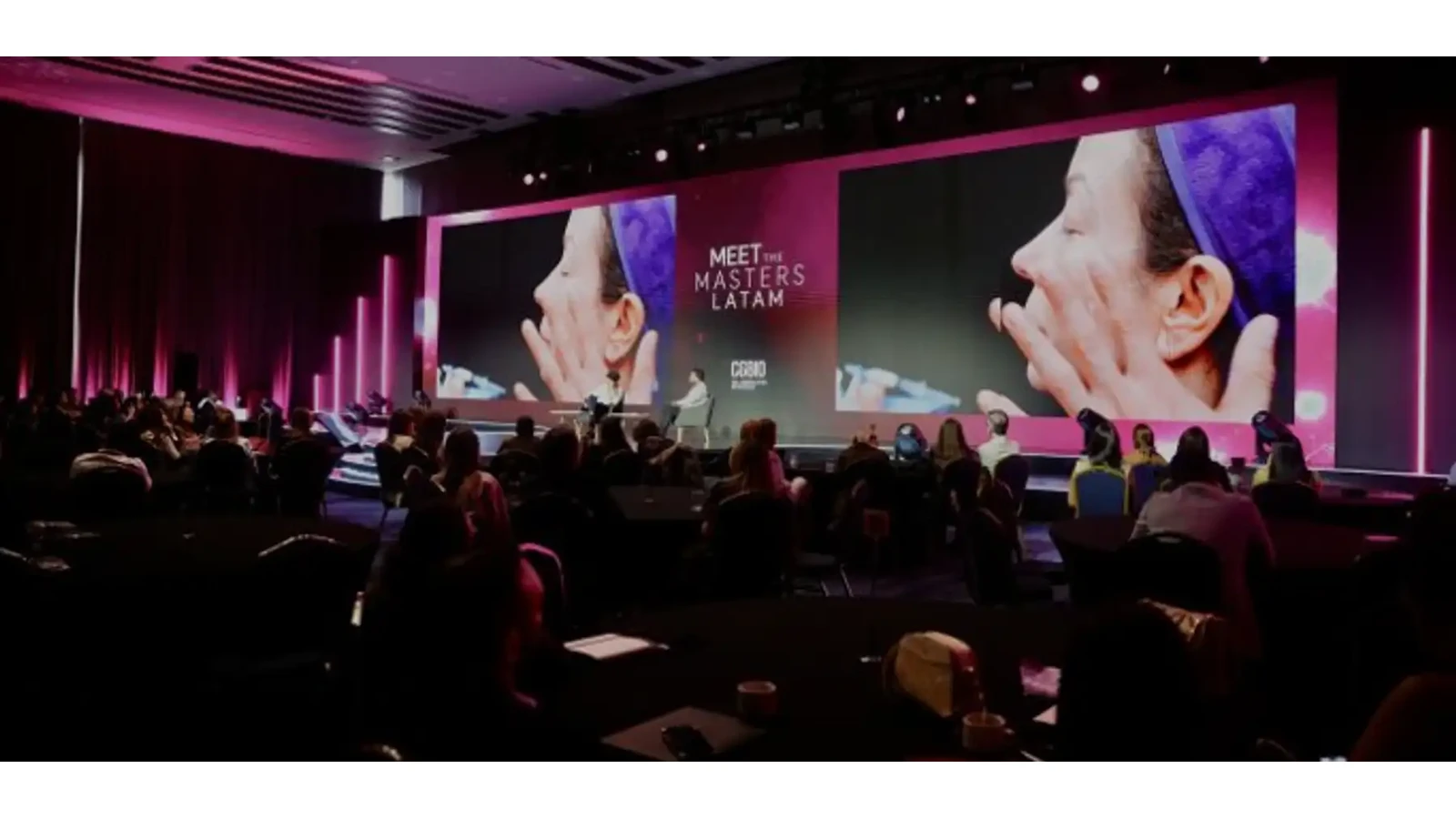
On September 3–4, 2026, Korean regenerative medicine company CGBio held “Meet the Masters LATAM 2026” in Bogotá, Colombia. According to company disclosures, around 140 medical professionals attended discussions on the material characteristics, clinical applications, and use of its CaHA product FACETEM. [2,4]
On October 6, CGBio announced “Meet the Masters in Bali 2026” for October 16–17 in Indonesia, with around 110 medical professionals from 15 countries expected to attend. The company also plans a regional program for European physicians in Istanbul in January 2027. [1]
The Colombia event has taken place; the Bali and Istanbul programs remain plans. Together, they offer a business case to examine: after securing market access and distribution, how does a CaHA product company use local training, professional exchange, and ongoing support to reach physicians in a new market?
Market Access Comes First; Education Supports Adoption
A medical device entering a new country or region must meet the applicable regulatory requirements. Distribution and clinic coverage determine whether it reaches potential users. For injectable products used by medical professionals, neither step automatically leads to sustained adoption.
Physicians need to understand the product's material characteristics, intended uses, and risks, taking local regulations, labeling, and clinical conditions into account. The availability of professional information, training, and a channel for questions can also influence whether partners commit to the product over time.
| Commercialization stage | Question to address |
|---|---|
| Regulatory access | Does the product meet the target market's requirements for sale and use? |
| Distribution | Can it reach local distributors, clinics, and supply networks? |
| Physician education | Do users understand its characteristics, intended uses, limitations, and handling requirements? |
| Local experience | Can case discussions, technical feedback, and risk communication continue? |
| Ongoing operations | Can the company sustain product supply, information, training, and support? |
These activities need not follow a strict sequence, and they do not guarantee commercial success. Physician education connects a product launch with its professional use environment; it does not replace clinical evidence or regulatory authorization.
Bali: A Local Base Beyond a Single Meeting
The program schedules live demonstrations for October 16 and a symposium the following day. NULOOK, the demonstration venue, was established and is managed with the involvement of CGBio and the Daewoong Group. The event report also describes its role in training local medical personnel. [1,3]
The Bali program brings together a local institution, regional physicians, company products, and opportunities for continued exchange. A local venue that can host professional activities offers something a one-off product presentation cannot: a setting where physicians and partners can return to discuss practical questions.
Establishing a training base is an operational development. The quality of its education requires a separate assessment: speaker qualifications, evidence cited, risk education, local compliance, and a clear distinction between company protocols and independent clinical guidance.
Building Consistent Communication Across Markets
The Bali program centers on DCLASSY CaHA and includes discussions of combinations with hyaluronic acid, energy-based devices, and threads. CGBio uses the DCLASSY CaHA name in Korea and Indonesia and the FACETEM brand in some other international markets. [1,5]
The agenda also includes CAST Code, a company-developed training framework described in public reports as organizing CaHA applications around anatomy and treatment objectives. It should not be treated as an independent clinical guideline or industry standard. [1]
Consistent terminology and case-discussion formats can help regional teams address the same questions. Their lasting value, however, depends on alignment with local authorized uses, product labeling, published evidence, and risk information. A shared name does not imply shared evidence or identical permitted uses.
Physician education therefore involves more than translating slides. Updating product information and training content, answering regional questions, and maintaining consistency across markets are practical parts of international operations.
How Physician Networks Support Overseas Operations
A launch event can raise visibility, but it cannot readily replace continuing case discussions, technical support, and risk communication. The Bali program plans case presentations by physicians from Mongolia, Vietnam, Portugal, Indonesia, and Iraq, bringing questions from different clinical environments into one discussion. [1]
Regional events can introduce physicians to a product, support distributors, and give the company a channel for feedback from different markets. These are potential operational functions, not demonstrated financial returns.
The available information comes mainly from company disclosures and media reports. It does not establish whether training increased purchasing, repeat orders, or market share. A narrower conclusion is warranted: CGBio is combining regional physician education with local partnerships as one approach to operating its CaHA business overseas.
What This Means for Upstream CaHA Suppliers
Physician education belongs to the finished-product company's medical affairs, training, and commercial operations. It does not directly determine demand for a particular CaHA raw material. Finished products have their own microsphere structures, carriers, manufacturing processes, and regulatory documentation; a shared chemical name does not make them interchangeable.
As customers enter several regional markets, they typically need fuller explanations of material sourcing, specification definitions, and lot control. Upstream suppliers do not need treatment scripts. They need technical evidence that supports the customer's quality management:
- the measurement method and statistical basis used for a particle-size range;
- how microsphere structure, phase composition, and impurities are assessed;
- whether data from different lots use consistent methods and remain comparable;
- which attributes require reassessment when raw materials, equipment, or processes change;
- consistent versions of specifications, reports, test methods, and change records used across markets.
This connects with our analysis of MOYOM's funding and the CaHA supply chain: capital supports registration and expansion, physician education helps finished-product companies communicate locally, and upstream suppliers must continue to provide traceable material evidence as customers grow.
For a microsphere requirement such as 25–45 μm, a nominal number alone is insufficient. Does it describe a sieving window, an image-analysis interval, or another measurement result? How are out-of-range particles, fragments, and sphericity assessed? These questions need to be defined for the project, as discussed in our guide to 25–45 μm CaHA microsphere procurement and lot acceptance.
Nanjing Junzhuo can discuss specifications, sample evaluation, and lot-specific technical documentation for HAp/CaHA powders and CaHA microsphere materials with development teams. Requirements should follow the downstream product's design, processing, and validation objectives.
From Exporting a Product to Supporting It Locally
CGBio's Colombia event and Bali plans show one CaHA product company incorporating regional training, local institutions, and physician exchange into its overseas business. This is a company case, not evidence that the entire industry has reached the same stage.
It raises a concrete question: after obtaining local authorization, can a company keep supporting physicians, clinics, and partners? Internationalization requires more than selling the same product in additional countries. Information updates, professional education, risk communication, and supply need to function continuously in each market.
For upstream suppliers, the task remains to make specifications understandable, lots comparable, and changes traceable. Physician education sits at the market-facing end; stable manufacturing and well-managed technical records sit at the supply end. Their responsibilities differ, but both affect the support a product receives over time.
This article is an industry analysis based on company disclosures and media reports. As of October 8, 2026, the Bali event has not taken place; attendance estimates and future plans are company disclosures. This is not an independent assessment of any product's effectiveness, safety, market share, or commercial prospects. Nanjing Junzhuo supplies upstream HAp/CaHA materials and custom development support, not the finished injectable products discussed here.
References
- Korea Biomedical Review. CGBio to train doctors from 15 countries in regenerative aesthetics in Bali. October 6, 2026.
- Korea Biomedical Review. CGBio promotes FACETEM, expands Latin America push at Colombia symposium. October 1, 2026.
- NULOOK. About NULOOK. Official website.
- The Bio. CGBio's Meet the Masters LATAM 2026 symposium in Colombia. September 30, 2026. Reports the company's attendance figure.
- The Korea Economic Daily. CGBio launches FACETEM with Thailand's BJC. June 9, 2026.