What Is Biphasic Calcium Phosphate (BCP)?
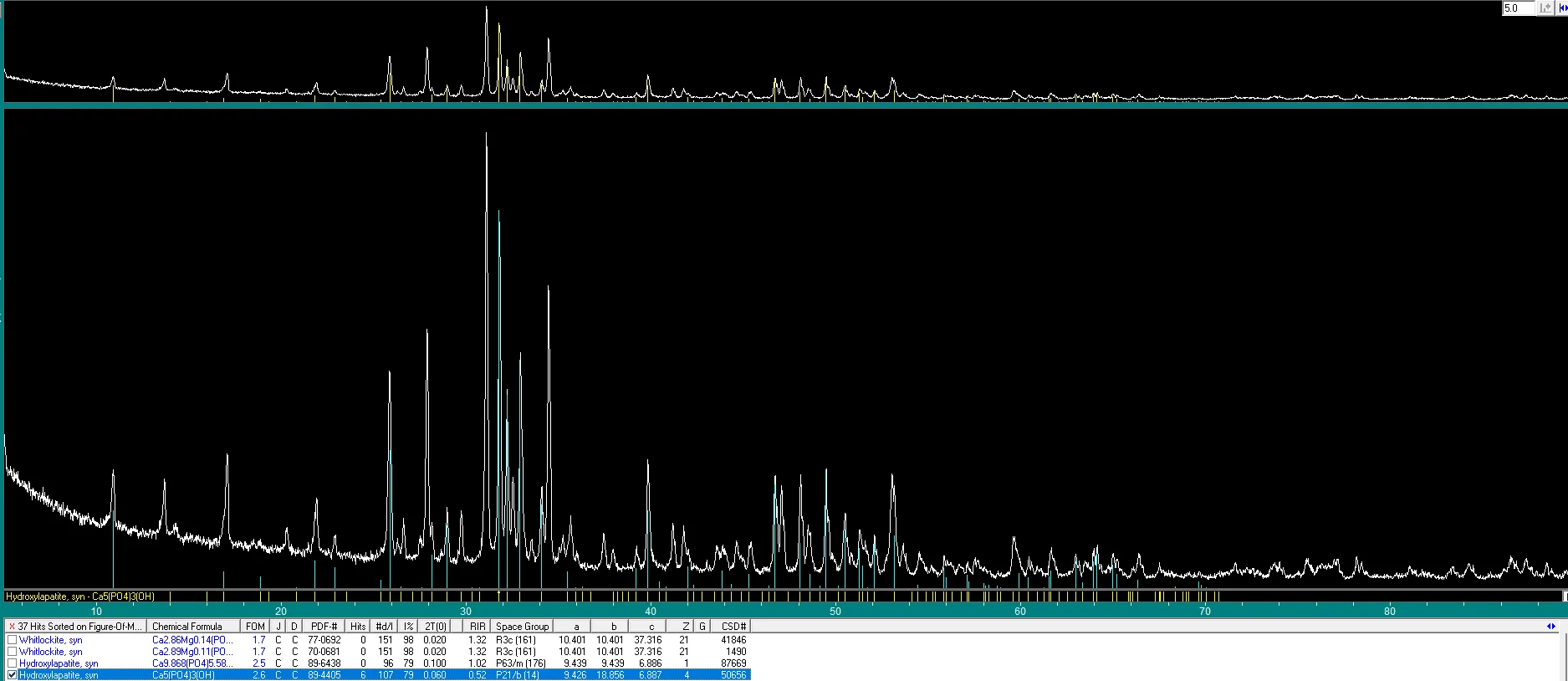
Biphasic calcium phosphate (BCP) is a bioceramic made from hydroxyapatite (HA) and beta-tricalcium phosphate (beta-TCP). By combining the two phases, it creates a more workable balance between stability, degradation rate, and osteoconductivity.
BCP is widely discussed in bone-repair work because it can provide structural support while still allowing gradual resorption and replacement during healing.
Why Is a Biphasic Structure Valuable?
When HA is used alone, the material is more stable but tends to resorb slowly. When beta-TCP is used alone, resorption is faster but structural support may not last long enough for every use case. BCP is valuable because the HA-to-beta-TCP ratio can be adjusted to match the target scenario.
Where Is BCP Commonly Used?
BCP is used in bone-defect repair, alveolar ridge augmentation, orthopedic filling, dental bone grafting, tissue-engineering scaffolds, and related regenerative research. It is also often used as the main inorganic phase in composite systems, where teams can further tune mechanical properties, pore structure, and intended performance.
What Can Nanjing Junzhuo Provide?
Nanjing Junzhuo can provide stable sample support for biphasic calcium phosphate and help clients move from initial material review and parameter discussion into later-stage collaboration. For teams developing artificial bone, dental grafts, or composite bioceramics, BCP can be a practical starting point.